Cyber Terrorism & Security
Cyber Attacks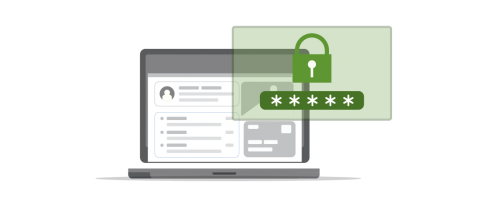
Often times, we may not realize that our actions online might put us, our families, and even our country at risk. Learning about the dangers online and taking action to protect ourselves is the first step in making the Internet a safer place for everyone. Cyber security is a shared responsibility and we each have a role to play.
Cyber Security
Protecting infrastructure involves preventing, detecting, and responding to cyber incidents. Unlike physical threats that prompt immediate action - like stop, drop, and roll in the event of a fire - cyber threats are often difficult to identify and comprehend. Among these dangers are:
- Viruses erasing entire systems
- Intruders breaking into systems and altering files
- Intruders using your computer or device to attack others
- Intruders stealing confidential information
The spectrum of cyber risks is limitless; threats, some more serious and sophisticated than others, can have wide-ranging effects on the individual, community, organizational, and national level.
Cyber Risks
- National security risks
- Organized cyber crime
- State-sponsored hackers
- Cyber espionage
- Transportation, power, and other services may be disrupted by large scale cyber incidents.
- The extent of the disruption is highly uncertain as it will be determined by many unknown factors such as the target and size of the incident.
- Vulnerability to data breach and loss increases if an organization's network is compromised.
- Information about a company, its employees, and its customers can be at risk.
- Individually-owned devices such as computers, tablets, mobile phones, and gaming systems that connect to the Internet are vulnerable to intrusion.
- Personal information may be at risk without proper security.
Protect Yourself Against Cyberattacks
- Limit the personal information you share online. Change privacy settings and do not use location features.
- Keep software applications and operating systems up-to-date.
- Create strong passwords by using upper and lower case letters, numbers and special characters. Use a password manager and two methods of verification.
- Watch for suspicious activity that asks you to do something right away, offers something that sounds too good to be true, or needs your personal information. Think before you click. When in doubt, do NOT click.
- Protect your home and/or business using a secure Internet connection and Wi-Fi network, and change passwords regularly.
- Don’t share PINs or passwords. Use devices that use biometric scans when possible (e.g. fingerprint scanner or facial recognition).
- Check your account statements and credit reports regularly.
- Be cautious about sharing personal financial information, such as your bank account number, Social Security number or credit card number. Only share personal information on secure sites that begin with https://. Do not use sites with invalid certificates. Use a Virtual Private Network (VPN) that creates a more secure connection.
- Use antivirus and anti-malware solutions, and firewalls to block threats.
- Back up your files regularly in an encrypted file or encrypted file storage device.
- Do not click on links in texts or emails from people you don’t know. Scammers can create fake links to websites.
- Remember that the government will not call, text or contact you via social media about owing money.
- Keep in mind that scammers may try to take advantage of financial fears by calling with work-from-home-opportunities, debt consolidation offers and student loan repayment plans.
If You're Impacted by a Cyberattack
- Check your credit card and bank statements for unrecognizable charges.
- Check your credit reports for any new accounts or loans you didn’t open.
- Be alert for emails and social media users that ask for private information.
- If you notice strange activity, limit the damage by changing all of your internet account passwords immediately.
- Consider turning off the device that has been affected. Take it to a professional to scan for potential viruses and remove any that they find. Remember: A company will not call you and ask for control of your computer to fix it. This is a common scam.
- Let work, school or other system owners know what happened.
- Run a security scan on your device to make sure your system is not infected or acting more slowly or inefficiently.
- If you find a problem, disconnect your device from the Internet and perform a full system restore.