Hurricanes & Nor'easters
Hurricane Season: June 1st through November 30th
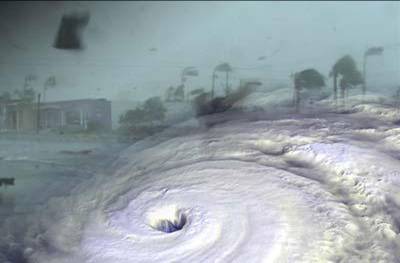
Hurricanes are giant, spiraling tropical storms that can pack wind speeds of over 160 miles an hour and unleash more than 2.4 trillion gallons of rain a day. Hurricanes begin as tropical disturbances in warm ocean waters with surface temperatures of at least 80 degrees Fahrenheit. These low pressure systems are fed by energy from the warm seas.
Being prepared and having what you need is essential to limiting a hurricane's impact on you and your family.
Get a Plan
- Know whether or not you live in a hurricane evacuation area and know the best route if you have to evacuate.
- Know Your Zone - The City of Norfolk uses Zones A, B, and C for evacuation zones.
- Talk to your family, friends, and colleagues about what you will do if a tropical system impacts the City of Norfolk and where you will be.
- Secure your home from damaging winds, including having pre-cut plywood for your windows and an easy way of securing them.
- Communicate with family before, during, and after the impact of a storm.
- Keep in mind that telephone lines and cell phone systems may have limited access or may be overwhelmed and jammed up with callers, so have an out-of-town contact person for each member of your family to check in with. Use text messages instead of calling if service is degraded.
- Know the emergency plans for your workplace and your children's school; these plans may help you develop your own plan.
- Secure your pets and animals; make sure you have extra supplies and a plan for them regarding evacuation and sheltering.
- 1 Are You Prepared for Hurricane Season
- 2 What is Storm Surge
- 3 Understanding Storm Surge Depth
- 4 Storm Surge Impacts
- 5 Extreme Rainfall Flooding Impacts
- 6 After the Storm Cleaning Up
- 7 Get an Insurance Checkup before Hurricane Season
- 8 Secure Your Boat Before the Hurricane
- 9 Prepare Before Hurricane Season
- 10 Stay Protected During Hurricanes
- 11 After the HurricaneHazards Still Exist
- 12 After the Storm Power Outage
- 13 Use Caution After Hurricanes
- 14 Distant Hurricanes can produce rip currents
- 15 Know Your Risk from Tropical Storms
- 16 Hurricane Watch vs Hurricane Warning
- 17 Tropical Storm Watch vs Tropical Storm Warning
- 18 Storm Surge Watch vs Storm Surge Warning
- 19 NHC Forecast Cone Explainer
- 20 Potential Tropical Cyclone Graphic
Nor'easters
Nor'easters are low-pressure systems that often form off the eastern coast of the United States. They are called Nor'easters because the winds over the coastal area are typically from the northeast. These storms may occur at any time of year but are most frequent and most violent between September and April. These storm systems can bring similar impacts to hurricanes, such as heavy rain, flooding, storm surge, coastal flooding, and strong winds. Preparing for a Nor'Easter is similar to preparing for a hurricane. Make sure you know your risk from flooding and be prepared for power outages.
Additional Information
Hurricane 101 - The Anatomy of Hurricanes
Saffir-Simpson Hurricane Scale
Be Prepared - Additional tips on how to prepare